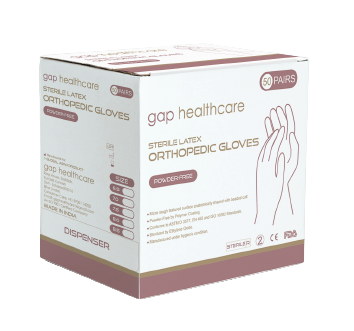

Latex Powdered Sterile Surgical Gloves
February 18, 2024
Exposing Illegal Medical Glove Imports in India: Indian Rubber Gloves Manufacturers Association (IRGMA)
March 16, 2025
Latex Examination Gloves and Surgical Gloves
The United Arab Emirates (UAE) is emerging as a major player in the global healthcare sector, driven by its strategic location, rapid economic growth, and increasing healthcare investments. The demand for high-quality rubber medical devices, including surgical gloves, catheters, and condoms, is on the rise, presenting lucrative opportunities for manufacturers and exporters. This blog explores the UAE healthcare market, key trade regulations, market trends, and strategies for exporters looking to enter this dynamic industry.
Understanding the UAE Healthcare Market
The UAE has one of the most advanced healthcare systems in the Middle East, with continuous government initiatives to enhance medical services and infrastructure. The country’s GDP growth of 5.1% in 2024 underscores its economic stability and strong consumer spending power. With a population exceeding 11 million and an increasing demand for medical supplies, the UAE has become a vital destination for rubber medical device exporters.
Regulatory Framework: Entry Requirements for Medical Device Exporters
The UAE’s healthcare sector is regulated by the Ministry of Health and Prevention (MOHAP), which oversees the import, registration, and distribution of medical devices. Companies looking to export rubber medical products to the UAE must comply with stringent regulatory requirements, including:
- Mandatory Registration: All medical devices must be registered with MOHAP before being imported or sold in the UAE.
- Licensing Requirements: Exporters must obtain a valid trade license from the Department of Economic Development (DED) or collaborate with a UAE-based distributor.
- Import Duties: Medical gloves, surgical gloves, condoms, and catheters are subject to a 5% import duty.
- CEPA Agreement Benefits: The UAE-Malaysia Comprehensive Economic Partnership Agreement (CEPA) eliminates or reduces tariffs on various medical products, creating better trade opportunities.
Understanding and complying with these regulations is critical for exporters aiming to establish a foothold in the UAE healthcare market.
Trade Insights: The Demand for Medical Rubber Devices in the UAE
The UAE imports a significant volume of rubber medical devices, with gloves, catheters, and condoms among the top imported categories. According to trade data:
- Medical gloves imports stood at $21.1 million in 2023, with China, Malaysia, and Thailand being the leading suppliers.
- Non-medical gloves imports decreased by 47.5%, indicating a shift towards more specialized medical-grade products.
- Catheter imports increased by 21.7%, demonstrating a growing demand for advanced medical equipment.
- Malaysia, a former top exporter, saw a sharp decline of 67.3% in glove exports to the UAE, opening opportunities for new entrants.
These trends indicate that while the market is competitive, there are opportunities for exporters who can provide high-quality, certified products that meet UAE regulations.
Key Market Trends and Opportunities for Exporters
- Growing Healthcare Investments
The UAE government is heavily investing in healthcare infrastructure, which is expected to drive the demand for high-quality medical supplies. With new hospitals, clinics, and medical facilities being developed, the demand for essential rubber medical devices continues to grow. - Strict Quality and Safety Standards
The UAE healthcare industry prioritizes products that meet international quality standards. Exporters must ensure compliance with ISO, FDA, and MOHAP certifications to gain a competitive advantage. - Shift Towards Sustainable and Eco-Friendly Products
With increasing global awareness of environmental impact, there is a rising demand for biodegradable and eco-friendly rubber medical devices. Companies focusing on sustainable manufacturing practices will have a competitive edge in the UAE market. - Strategic Importance of Free Trade Zones (FTZs)
Companies looking to enter the UAE market can benefit from Free Trade Zones (FTZs), which offer tax exemptions and easier business setup processes. Establishing operations in an FTZ allows exporters to import, store, and distribute products with reduced customs duties. - Rise of E-Commerce in Medical Supplies
The digital transformation in the UAE has led to a surge in B2B and B2C e-commerce platforms for medical products. Exporters can leverage online marketplaces to reach a broader customer base and enhance their market penetration.
Strategic Approach for Exporters to Enter the UAE Market
1. Compliance with UAE Regulations
Ensure all products are registered with MOHAP, meet ISO and FDA standards, and comply with CEPA agreements for tariff reductions.
2. Partnering with Local Distributors
Collaborating with a UAE-based distributor or setting up an office in an FTZ can help businesses navigate regulatory requirements and establish a strong local presence.
3. Focusing on Quality and Innovation
Investing in advanced manufacturing techniques, product innovation, and eco-friendly solutions will position exporters for long-term success.
4. Leveraging Digital Marketing and E-Commerce
Developing an SEO-optimized website, engaging in social media marketing, and listing products on B2B platforms can significantly enhance brand visibility and sales.
5. Attending Trade Shows and Networking Events
Participating in healthcare trade fairs such as Arab Health in Dubai allows exporters to connect with industry leaders, potential buyers, and business partners.
Conclusion: Seizing the Market Potential in the UAE
The UAE presents a wealth of opportunities for exporters of rubber medical devices. With its robust healthcare sector, strategic trade agreements, and increasing demand for high-quality medical products, the market is ripe for expansion. By ensuring regulatory compliance, leveraging trade agreements, and adopting innovative marketing strategies, exporters can successfully tap into the growing UAE healthcare industry.
For businesses looking to explore B2B partnerships, establish distribution networks, or expand product lines, the UAE healthcare market offers unparalleled growth potential. Now is the time to capitalize on these emerging opportunities and secure a strong foothold in this dynamic sector.